
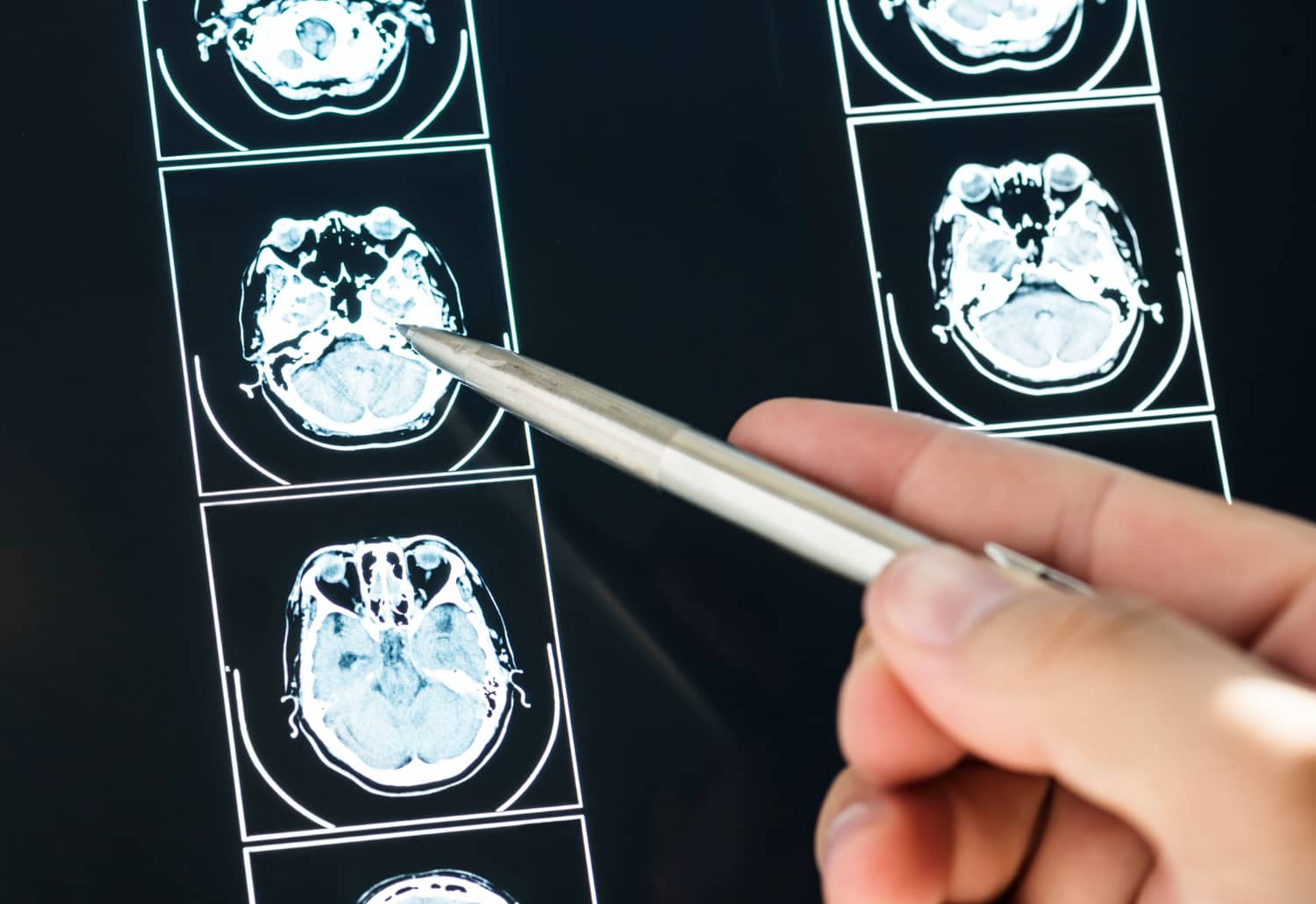
Did you know that nearly 10 million Americans reported sustaining a TBI in the past year? About 4 in 10 adults have experienced symptoms of a brain injury following a blow or jolt to the head. Traumatic brain injuries (TBIs) can have immediate and visible effects. But in worse cases, effects often last much longer than the injury itself. And the cognitive impairment following traumatic brain injury can affect several aspects of your daily life, hindering your ability to do work. Let’s look at the effects of cognitive impairment after TBI so you can get proper diagnosis, rehabilitation, and ongoing support.
Understanding TBI Types
Any accident that causes a blow to the head or body can injure the brain, says Wilmington traumatic brain injury lawyer Christina Rivenbark. And there are several TBI types and causes. You should remember that different people with TBIs will show different patterns of their condition. The various TBIs could differ greatly in their causes, degrees, and signs. Mild TBI includes concussion as a medical condition because its symptoms last for only a short time. People who have moderate to severe TBI usually obtain the conditions from head injury issues, leading to falls that sustainably worsen conditions. The various types of wounds include penetrating wounds. This happens when a foreign object enters the skull. Another is a closed wound, which led to brain damage without any skull fractures. For patients of TBI, understanding their situation is important for their treatment and rehabilitation plan. Their personal recovery process depends on the specific type of traumatic brain injury that a person has sustained.
Key Long-Term Cognitive Effects of TBI
The immediate symptoms of traumatic brain injury (TBI) produce severe effects, but most people will experience extended cognitive impairment, which continues after their initial injury period. You might be facing problems remembering details needed in retrieving such things as to assign back recent actions and retain new valuables. Many people then also struggle with attention. Focusing on tasks or a discussion is difficult for them. If the current situation progresses as it will, there will be less motivation for problem-solving. This in turn means the capability to decide would be adversely affected for an individual. The system will take extended time periods to complete its operations because it operates at slow processing speeds and delivers its responses and information to users. When people lack enough emotional and social cognitive skills, they face major challenges in recognizing others’ feelings and controlling their personal emotional states. The person with disabilities who understands their limitations will pursue suitable assistance and treatment solutions.
Also Read: How DNA Insights Can Personalized Mental Health Treatments?
Severity and Recovery Time’s Role in Cognitive Outcomes
The severity of traumatic brain injury (TBI) is correlated to the long-term cognitive outcomes and recovery times. With a mild TBI or concussion, the person may usually have a complete recovery of the normal functions within 1 week. For moderate to severe injuries, a very long recuperative process stretches over many months and occasionally years. However, more severe injury does lead to permanent or long-term mental changes or deficits. The rehabilitation process gets affected by age, current health condition, and existing medical disorders. The process of cognitive retraining helps people recover, but it proves challenging to determine which single element impacts their recovery process because their past experiences also affect their results. Recovery represents a complex process that requires time to accomplish and is different for other people because each individual undergoes their own unique path. Being realistic about your recovery will be helpful for you.
Effective Strategies to Manage Cognitive Impairments After TBI
After a trauma, it’s important to have treatment to enhance daily functioning. A schedule should exist to handle memory and organizational tool management. The visual aids work as subtle reminders that assist people to maintain their knowledge of vital tasks that they must complete. The cognitive training sessions need to show successful outcomes. This will enhance both the attention capacity and problem-solving abilities of participants. Reach out to a medical professional who can help with your health condition. You can also consider exploring various treatment options. Include mindfulness and meditation techniques to help you control your stress. Daily exercise and having healthy eating habits can help. These activities will deliver substantial benefits to your brain health and overall well-being.
How TBI Affects Your Relationships and Everyday Life
Traumatic brain injury leads to a decline in physical health and also causes a breakdown in patients’ social interactions and personal relationships. You might face frequent memory lapses or sudden changes in communication that could quite naturally change your rapport with friends, family, and everyone else. Minor disruptions caused by the slightest irritations create a volatile mood suddenly, resulting in exasperation and conflicts within the established relationships. Tasks and operations that once seemed easy are often now beyond reach, particularly when they involve work or hobbies. The process of adjusting to these changes requires multiple years for completion because family members and treating professionals need to provide their support during this time.
Also Read: Driver’s License Points and Suspension Rules
Conclusion
The permanent cognitive effects of traumatic brain injuries provide researchers with essential knowledge needed to develop effective solutions for daily problems. The memory, concentration, problem-solving, and social participation effects of traumatic brain injury enable more effective management of its associated challenges. Every individual needs to identify their optimal recovery methods because healing depends on personal choice. You have the right to request assistance from others while using available resources to improve your life after TBI.
Disclaimer
We are an educational platform, not professional counselors, therapists, or medical experts. The content on this blog is for informational purposes only and should not be taken as professional parenting, medical, psychological, or legal advice. Every family and child is unique, and what works for one may not work for another. Always seek guidance from qualified professionals before making decisions about your family’s health, education, or well-being. I share my personal experiences here purely for entertainment purposes, so please do not take them too seriously or apply them to yourself without proper consideration.