
Annual checkups are one of the simplest ways for families to protect their long-term health. They help parents stay one step ahead of possible problems and give their children the steady support they need as they grow. Preventive care, like a physical exam, a vision screening, or a trip to the dentist, saves time, lowers stress, and helps you develop healthier habits.
What Are Annual Checkups, and Why Are They Necessary?
Annual checkups are planned visits that help doctors evaluate how well your body is functioning. These appointments look at your overall health from a number of angles, such as your physical health, mental wellness, diet, and everyday routines. Regular checkups can find early signs of conditions that may not show symptoms yet, even if you feel fine.
During these visits, doctors often:
- Review growth charts and weight changes
- Check blood pressure, reflexes, and overall development
- Update immunization records
- Look for early warning signs of chronic conditions
- Offer personalized advice on diet, sleep, stress, and activity levels
For children, these checkups support healthy development. For parents, they serve as a reminder to stay proactive.
Are Wellness Checks Mandatory for Kids and Parents?
In many places, wellness checks for children are recommended rather than strictly required, though certain appointments, like vaccinations, may be necessary for school enrollment. Parents, on the other hand, are encouraged but not obligated to attend annual exams.
However, mandatory or not, annual checkups serve one important purpose: prevention. They give families a structured way to monitor their health and address concerns early, rather than waiting until something becomes serious. Most importantly, they provide a stable foundation for lifelong well-being.
At What Age Should You Start Getting Annual Physicals?
Annual physicals should begin early in life and continue through adulthood. The needs may change with age, but the purpose remains the same: consistent, proactive health care.
Before diving into each age group, it helps to understand that yearly exams follow a predictable rhythm. Doctors look at growth, development, hearing, vision, and emotional health in children, while adults benefit from screenings tailored to age and lifestyle. Here’s how it typically unfolds over the years:
Early Childhood
Infants and toddlers visit the doctor several times in their first few years. These visits monitor:
- Physical growth
- Motor skills
- Emerging language abilities
- Early signs of visual or hearing concerns
- Immunization timelines
Early childhood checkups act as the foundation for long-term health and reveal developmental delays quickly, which helps parents seek early support when needed.
Also Read: The New Safety Net: Wearable Tech for Kids That Blends Independence, Adventure, and Peace of Mind
School-Age Children and Teens
As children grow older, the focus turns to learning, social skills, and emotional well-being. Doctors examine:
- Height and weight progression
- Vision and hearing sharpness
- Behavior and attention
- Puberty-related changes
- Lifestyle habits such as sleep and nutrition
Many children start needing corrective tools during this period, making consistent evaluations even more important.
Adults
Annual exams for adults give doctors a clear picture of overall wellness. These visits may include:
- Blood pressure checks
- Blood tests
- Cardiovascular assessments
- Mental health discussions
- Lifestyle reviews
Adults often delay appointments because of work or family responsibilities, but annual checkups become even more important with age, as this is when many people start noticing changes in their vision or hearing. A quick visit can show whether you need eyeglasses or hearing support before these issues begin to interfere with everyday life.
Most Important Checkups for Children
Yearly medical appointments help keep kids healthy, supported, and on track. Before diving into specific categories, remember that children’s needs change quickly. Each visit builds on the last, giving doctors a clear picture of how they’re developing.
Growth and Development Exams
Doctors evaluate movement, communication, social skills, and cognitive progress. These assessments highlight whether children are meeting developmental milestones.
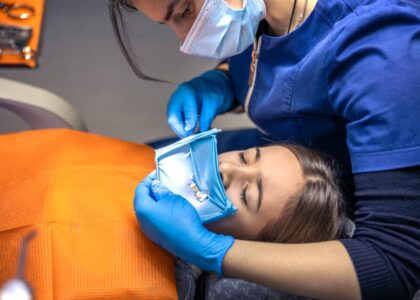
Dental Visits
Regular dental care prevents cavities and gum issues. Dentists also guide families on brushing habits, diet choices, and early alignment concerns.
Vision Tests
Children may not always notice or communicate visual difficulties. Vision exams identify refractive errors and support early correction.
Hearing Assessments
Healthy hearing contributes to good communication and learning skills. Regular tests ensure children hear clearly in school and social settings.
Immunizations
Vaccines protect against common illnesses and reduce the risk of outbreaks. Annual checkups keep immunization schedules on track.
Emotional and Behavioral Health
Doctors discuss mood, social interactions, school performance, and sleep. These conversations help identify stress, anxiety, or behavioral challenges early.
Most Important Checkups for Parents
Parents often focus so much on their children’s health that they forget their own. Yet staying healthy allows them to provide better support for their families. Annual checkups for adults help them maintain balance, spot concerns early, and manage long-term wellness.
Before reviewing each type, it’s helpful to remember that adult health is influenced by lifestyle, genetics, and stress levels. Routine screenings create a clear picture of where improvements can be made.
Routine Physical Exams
A yearly exam helps monitor:
- Blood pressure
- Heart health
- Weight and metabolism
- Mobility and joint health
Consistent checkups create a long-term record that helps doctors recognize changes quickly.
Key Health Tests
Depending on age and risk factors, adults may need:
- Cholesterol screening
- Blood sugar tests
- Thyroid evaluations
- Nutritional assessments
These tests reveal concerns that may not cause symptoms right away.
Dental and Vision Exams
Just like kids, adults need consistent vision and dental care. Dental visits prevent long-term gum issues, while vision exams detect changes in eyesight or early signs of eye disease.
Age-Specific Screenings
As adults age, certain screenings become essential, including:
- Mammograms
- Colon cancer screenings
- Prostate evaluations
- Skin cancer checks
These tests support early detection and improve long-term outcomes.
Mental Wellness
Emotional health matters at every stage of life. Annual visits give parents a space to talk about stress, sleep, anxiety, or burnout, topics that often go unaddressed.
Conclusion
Annual checkups help families stay healthy by providing them with peace of mind, clarity, and the opportunity to identify problems early. Children grow more confidently when their development is monitored regularly, and parents stay grounded when they prioritize their own well-being. When you make these appointments a regular part of your routine, you help everyone in the house build healthier habits. Families can stay informed, proactive, and ready for anything at every stage of life with regular care.
Disclaimer
We are an educational platform, not professional counselors, therapists, or medical experts. The content on this blog is for informational purposes only and should not be taken as professional parenting, medical, psychological, or legal advice. Every family and child is unique, and what works for one may not work for another. Always seek guidance from qualified professionals before making decisions about your family’s health, education, or well-being. I share my personal experiences here purely for entertainment purposes, so please do not take them too seriously or apply them to yourself without proper consideration.