
If you’ve ever winced while climbing stairs, struggled to open a jar, or felt that familiar ache settle into your knees after a long day, you’re far from alone. Joint pain doesn’t discriminate; it can show up uninvited in your twenties after a sports injury or gradually creep in as the years pass.
What starts as occasional discomfort can quietly reshape how you move through your world, affecting everything from your morning routine to your evening walks. But here’s the wonder of it: your body has remarkable healing potential, and there are natural, accessible ways to reclaim your comfort and mobility without resorting to invasive interventions right away.
Understanding Joint Pain and Its Effects on Daily Life
Think of your joints as the hinges that keep your body’s doors swinging smoothly. When those hinges get rusty or misaligned, everything becomes harder. Joint pain occurs when the intricate structures that facilitate movement, cartilage that cushions bone-to-bone contact, ligaments that hold everything together, or the surrounding muscles that provide support, become irritated, inflamed, or damaged.
What’s particularly fascinating is how this discomfort ripples outward, affecting far more than just the physical sensation of pain.
Also Read: What Is a Respiratory Therapist? A Complete Guide to Their Role, Skills, and Growing Career
Physical Limitations
The body speaks through movement, and when joints hurt, that conversation becomes strained. You might notice a reduced range of motion, making reaching for something on a high shelf feel like an expedition.
Simple tasks like walking to the mailbox, bending down to tie your shoes, or lifting a grocery bag can transform from automatic actions into calculated decisions. Many people experience increased stiffness, especially in those first few steps after getting out of bed or after sitting through a long meeting. Your body almost feels like it needs a warm-up period just to function normally.
Emotional and Mental Impact
Here’s where things get really interesting, and often overlooked. The frustration that comes from losing independence, even in small ways, can weigh heavily on your spirit. When you can’t do the things you once took for granted, motivation naturally dips. You might skip the yoga class you loved or decide not to join friends for a hike. Research has shown that chronic pain creates a genuine risk for stress, anxiety, and low mood, creating an invisible burden that others might not see but you feel deeply.
When joint pain goes unmanaged, it creates a particularly vicious cycle. Pain reduces movement, which leads to muscle weakness, which then places even more stress on already vulnerable joints. Breaking this cycle requires understanding what’s actually happening beneath the surface.
Common Causes That Contribute to Joint Pain
Getting to the root cause is like being a detective in your own body. The clues are there, and understanding them helps you choose the most effective path forward.
Age-Related Wear and Tear
Time leaves its mark on all of us, and joints are no exception. The cartilage that acts as your body’s natural shock absorber gradually breaks down over the years. Your joints also produce less synovial fluid, that amazing lubricant that keeps everything gliding smoothly. It’s a natural process, but it doesn’t have to mean accepting constant discomfort as inevitable.
Lifestyle and Posture Factors
Modern life has created some surprising challenges for joint health. Prolonged sitting at desks, hunching over phones, or poor ergonomics while working can create chronic stress on specific joints. Your body wasn’t designed to stay in one position for eight hours straight.
Repetitive movements, whether from your job or hobbies, can also create overuse patterns that irritate joints over time. The wonderful news is that lifestyle factors are within your control to modify.
Inflammation and Alignment Issues
Chronic inflammation acts like a slow-burning fire in your body, often fueled by dietary choices, stress, or environmental factors. When your spine or joints fall out of proper alignment, compensatory movement patterns can place uneven pressure on various joints.
Practices offered at facilities like Crist Chiropractic focus on addressing these underlying alignment and pressure-related contributors through non-invasive approaches, helping restore more balanced movement patterns.
Natural Ways to Manage Joint Pain Effectively
Here’s where things get exciting. Your body wants to heal, and when you give it the right tools and conditions, it often responds beautifully. Many people are discovering that natural strategies can provide meaningful relief without immediately jumping to medication or surgery.
Movement and Exercise
This might sound counterintuitive when your joints hurt, but appropriate movement is actually medicine for your joints. The key is choosing activities that strengthen without stressing. Low-impact options like walking on soft surfaces, swimming (the water supports your body weight wonderfully), or cycling allow you to build strength and maintain cardiovascular health while being gentle on joints.
Strength training deserves special mention because stronger muscles act like better support beams for your joints, taking pressure off vulnerable areas. Gentle stretching or yoga improves flexibility, helping maintain and even expand your range of motion. The wonder is in consistency, small, regular movements compound into significant improvements over time.
Nutrition for Joint Support
What you eat directly influences inflammation levels throughout your body. Anti-inflammatory foods work like internal medicine, naturally calming that chronic fire. Leafy greens, fatty fish rich in omega-3s, and colorful berries aren’t just delicious; they’re actively therapeutic. Adequate hydration matters more than most people realize; your joints need water to maintain proper lubrication, much like your car’s engine needs oil.
Specific nutrients play starring roles in joint health. Omega-3 fatty acids help reduce inflammatory responses, while vitamin D supports both bone and immune function. Some people find that simple dietary adjustments create noticeable improvements in how their joints feel day to day.
Manual and Holistic Therapies
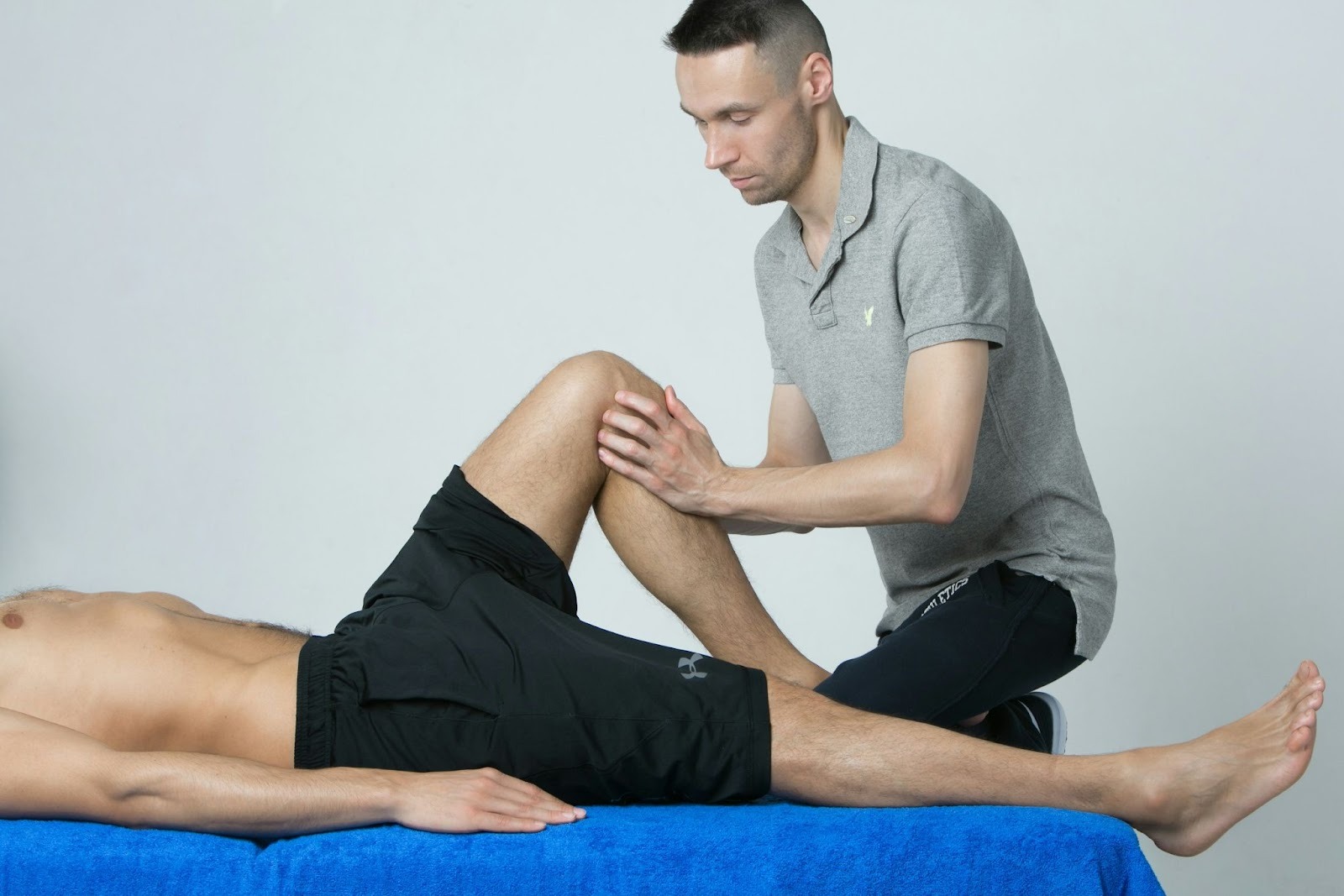
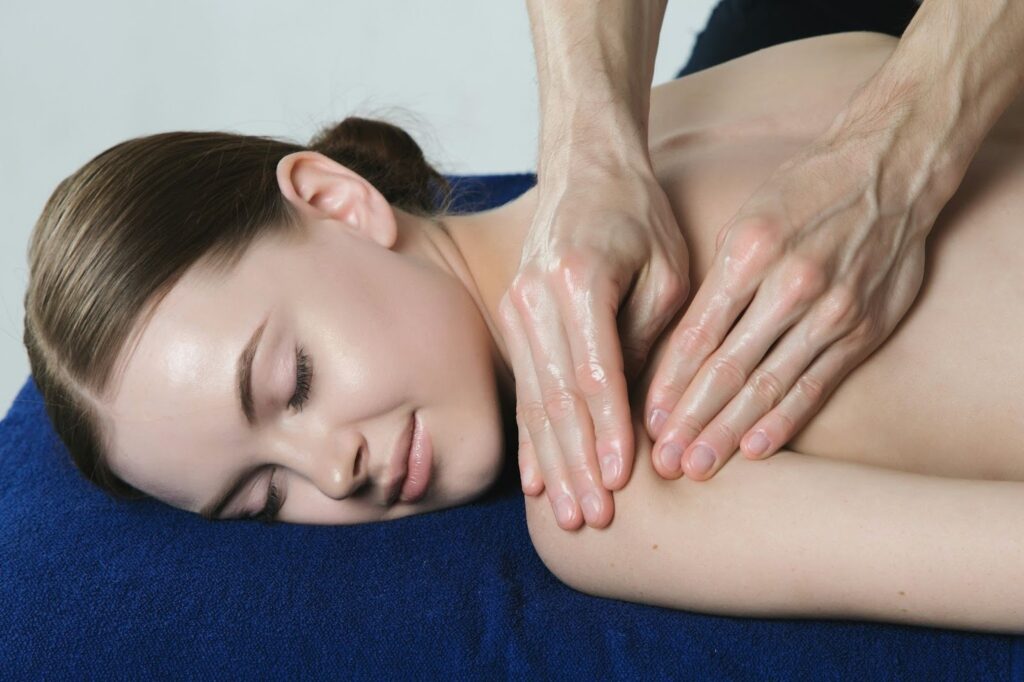
Your body responds remarkably well to hands-on care. Massage therapy eases muscle tension that often develops around painful joints, creating a more supportive environment for healing. Heat therapy relaxes stiff joints and improves blood flow, while cold therapy can reduce acute swelling and numb sharp pain.
Chiropractic approaches, such as those provided by Crist Chiropractic, may help reduce pressure on joints and improve overall mobility when guided by qualified professionals who understand the intricate relationships between spinal alignment and joint function. These methods work with your body’s natural healing mechanisms rather than against them.
Also Read: Preventive Care: Why Women’s Clinics in Singapore Are More Important Than Ever
Building Long-Term Joint Health Naturally
Managing joint pain isn’t just about putting out today’s fire; it’s about building a foundation that protects your mobility for years to come. The most effective approach combines immediate relief strategies with preventive practices that compound over time.

Daily Habits That Matter
Small, consistent choices create surprisingly powerful results. Maintaining a healthy body weight reduces the mechanical load on weight-bearing joints; every pound of excess weight can place up to four pounds of extra pressure on your knees. Practicing proper posture during work and rest helps prevent joints from being chronically stressed in misaligned positions. Taking regular movement breaks, even just standing and stretching every hour, prevents the stiffness that comes from prolonged static positions.
Preventive Care
Perhaps the most important principle is to address minor aches before they become chronic problems. That occasional knee twinge or shoulder discomfort is your body’s early warning system. Consistent mobility routines keep joints moving through their full range, preventing the gradual stiffening that increases the likelihood of pain. Periodic assessments of spinal and joint alignment, where approaches like those at Crist Chiropractic may be considered as part of a broader wellness plan, can identify and correct small issues before they become significant limitations.
Conclusion
Joint pain doesn’t have to dictate the boundaries of your life. While it can significantly influence physical comfort, emotional health, and everyday independence, understanding its impact and addressing contributing factors early puts control back in your hands.
The natural approaches explored here, from mindful movement and anti-inflammatory nutrition to supportive therapies that work with your body’s innate healing capacity, offer practical pathways to improved mobility and enhanced quality of life.
The real wonder lies in recognizing that your body is not just a machine breaking down, but a living system with remarkable regenerative potential when given the right support. By taking proactive steps today, you’re not just managing pain, you’re investing in the freedom to move, explore, and engage with life on your own terms, regardless of your age or current limitations. That’s a future worth moving toward.
Disclaimer
We are an educational platform, not professional counselors, therapists, or medical experts. The content on this blog is for informational purposes only and should not be taken as professional parenting, medical, psychological, or legal advice. Every family and child is unique, and what works for one may not work for another. Always seek guidance from qualified professionals before making decisions about your family’s health, education, or well-being. I share my personal experiences here purely for entertainment purposes, so please do not take them too seriously or apply them to yourself without proper consideration.