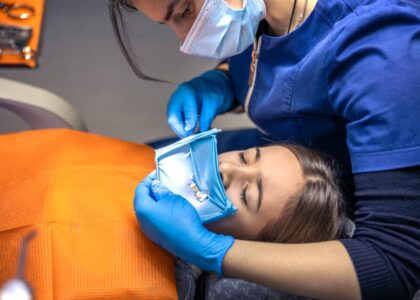

A respiratory therapist is a healthcare professional who treats patients with breathing problems and lung diseases. They support newborns who struggle to take their first breaths, patients recovering from surgery, and older adults with chronic conditions like asthma and COPD. Their work became widely recognized during the COVID-19 pandemic because they operated ventilators and provided lifesaving care for patients with severe breathing difficulties.
Today, the career is expanding as more people develop long-term lung issues. This has increased interest in the job market, respiratory therapist salary opportunities, and the education needed to enter the profession.
What Does a Respiratory Therapist Do?
Respiratory therapists evaluate, diagnose, and treat breathing disorders. When a patient has low oxygen levels, a chest issue, or chronic breathing trouble, a respiratory therapist steps in to provide relief. They give inhaled medications, manage oxygen therapy, and assist doctors in emergency situations. In intensive care units, they handle ventilators for patients who cannot breathe independently — a responsibility that requires strong technical training and quick decision-making.
They also play a vital education role. Many patients learn proper inhaler use, breathing exercises, and lifestyle adjustments directly from their therapists, helping them avoid future attacks and hospital visits.
Also Read: Why Annual Health Checkups for Children and Parents Matter
Where Respiratory Therapists Work?
Respiratory therapists are needed in hospitals, emergency departments, children’s medical units, home-care programs, sleep labs, and rehabilitation centers. Because breathing issues affect every age group, they work with infants in neonatal units, teenagers with asthma, adults recovering from trauma, and elderly patients with lung damage. Their skills are essential in nearly every medical environment where breathing support is needed.
Education Path: How to Become a Respiratory Therapist
If you want to enter this career, the first step is completing respiratory therapist schooling at an accredited college. Students usually pursue a respiratory therapist degree, which can be a two-year associate degree or a four-year bachelor’s degree in respiratory care. During school, students learn lung anatomy, physical assessment, medical equipment use, and emergency response.
After graduating, they must pass a national licensing exam to work professionally. Schooling includes both classroom courses and hands-on clinical training in real hospitals — preparing students for actual patient care challenges.
Many people search for respiratory therapist school programs near them because the education is career-focused and offers strong job placement rates.
Respiratory Therapist Salary: What You Can Expect
Respiratory therapy offers a competitive income with opportunities for growth. While salaries vary by location and experience, respiratory therapists usually earn higher wages in hospitals, emergency departments, and specialized care units. Overtime and night shifts can increase pay even more. As demand for lung-care professionals rises, salary potential continues to improve across the healthcare system.
For many students, the combination of strong job stability, quick schooling compared to other healthcare careers, and solid earning potential makes this profession highly appealing.
Also Read: Preventive Care: Why Women’s Clinics in Singapore Are More Important Than Ever
Why Respiratory Therapists Are Needed Now More Than Ever?
Breathing problems are increasing worldwide due to pollution, smoking, infections, and aging populations. Conditions like pneumonia, COPD, and sleep apnea affect millions of people — and respiratory therapists are the specialists trained to help them breathe comfortably and safely.
Because they care for critically ill patients and teach long-term self-care techniques, respiratory therapists make a difference every day. Their work often leads to faster recovery, better breathing function, and improved quality of life.
Also Read: What is a Primary Caregiver? Roles, Responsibilities, and Challenges
Final Thoughts
A respiratory therapist is a skilled and essential healthcare provider dedicated to helping patients breathe easier. From operating ventilators in the ICU to guiding asthma patients at home, their role is crucial in every stage of care. If you are interested in a medical career that offers strong purpose, a respected position on the healthcare team, and solid earning potential, becoming a respiratory therapist may be the perfect path.
With the right training — through a quality respiratory therapist degree program — you can start a stable and rewarding future in a field that continues to grow every year.
Disclaimer
We are an educational platform, not professional counselors, therapists, or medical experts. The content on this blog is for informational purposes only and should not be taken as professional parenting, medical, psychological, or legal advice. Every family and child is unique, and what works for one may not work for another. Always seek guidance from qualified professionals before making decisions about your family’s health, education, or well-being. I share my personal experiences here purely for entertainment purposes, so please do not take them too seriously or apply them to yourself without proper consideration.